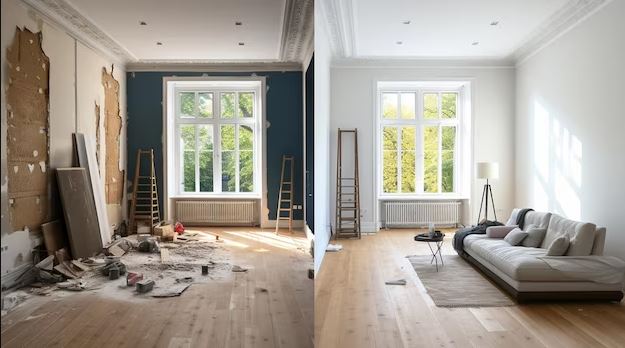
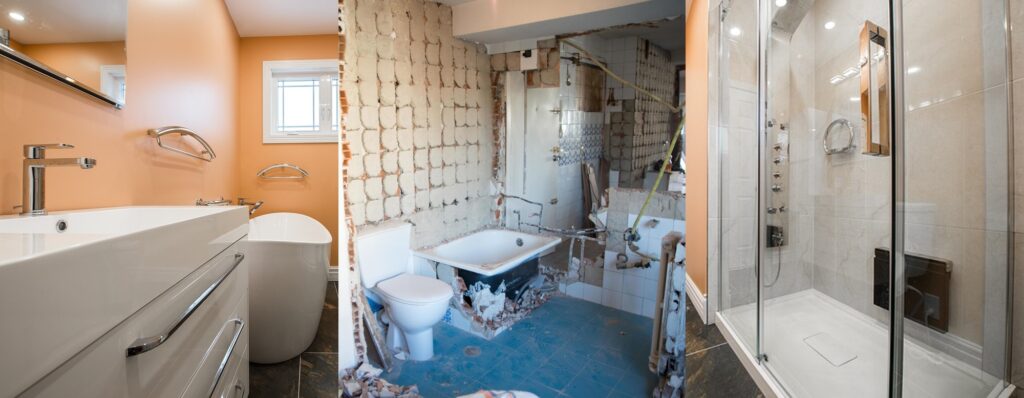
One of the most common questions we get from homeowners is, “Do I need a permit for this?” The answer matters more than many people realise. Starting permit-required works without approval can lead to fines, stop-work orders and being asked to reinstate your flat at your own cost.
This HDB renovation permit guide explains exactly which works need HDB’s approval, which do not, how the application process works and the rules you must follow during renovation. As an HDB-licensed contractor, Han Yong handles these applications every week, so we have organised the key points from HDB’s guidelines into a clear, practical reference.
What Is an HDB Renovation Permit?
An HDB renovation permit is written approval from HDB that allows specific renovation works to be carried out in your flat. HDB requires it for works that could affect the structural integrity of the building, the waterproofing of wet areas, fire safety or your neighbours’ safety.
As the flat owner, you are responsible for making sure all required permits are obtained before works begin. In practice, your contractor submits the application on your behalf. HDB applies the same structural safety standards and approval process to all flats, whatever their age.
Works That Require an HDB Permit
The table below summarises the most common renovation works that need HDB approval, based on HDB’s published building works guidelines.
Hacking and demolishing walls
Wall hacking is the most common reason homeowners need a permit. All demolition or alteration of walls can only take place after HDB approves it. Reinforced concrete (RC) structures, such as structural walls, columns and beams, cannot be tampered with. Even for lightweight walls, demolition must start from the top down and stop at the underside of the beam or slab. If steel bars are discovered during hacking, the works must stop immediately and HDB must be informed.
When you hack or build walls, your application must include layout plans, elevations or sections of the proposed works. Only certified demolition workers trained by the BCA Academy are allowed to carry out the hacking.
Floor finishes
You need a permit to remove existing floor finishes and replace them with tiles, marble, terrazzo or parquet. The combined thickness of new finishes and screed must not exceed 50mm, and pre-packed waterproofing screed and membrane are required in bathrooms. Raising the floor in the kitchen, balcony or bathroom also needs approval, as it adds extra load on the floor slab.
Bathrooms and toilets
For newly built flats, you cannot remove bathroom and toilet wall or floor finishes for the first three years from the block’s completion. After that, replacing them requires a permit and proper waterproofing, with the membrane turned up at least 150mm against walls, kerbs and pipes. See our HDB toilet renovation services and the HDB toilet upgrading mistakes to avoid.
Electrical works
Whether you need a permit for electrical works depends on your flat’s electrical loading. Blocks completed on or after 1 January 1994, and older blocks upgraded under the Main Upgrading Programme or Home Improvement Programme, have a 40-amp main switch. These flats do not need a permit for air-conditioner points or higher-capacity appliances. Flats still on a 30-amp main switch need HDB approval for a new 15-amp power point or 20-amp isolator. All wiring must be done by an EMA-licensed electrical worker.
Works That Do Not Need an HDB Permit
Many popular renovation items can be done without a permit, as long as they follow HDB’s guidelines.
“No permit” does not mean “no rules”. If works are not carried out according to HDB’s guidelines, they can still be treated as unauthorised, and you may be required to remove or reinstate them.
Works That Are Not Allowed
Some works are prohibited outright, regardless of permits:
- Hacking or tampering with structural RC walls, columns, beams and floor slabs
- Hacking, drilling indiscriminately or modifying the household shelter’s walls, floor, ceiling or steel door
- Embedding wiring conduits in RC slabs, beams, columns or walls
- Installing exhaust fans in the kitchen, service yard, balcony or bedrooms (only allowed in bathrooms)
- Sealing or blocking kitchen sanitary duct weepholes with carpentry
- Enclosing gas pipes within false ceilings
- Creating a new door opening through an RC wall
How to Apply for an HDB Renovation Permit
The process is straightforward when handled by an experienced contractor:
- Appoint an HDB-registered contractor. Only contractors in the HDB Directory of Renovation Contractors can submit applications.
- Authorise your contractor. You authorise the contractor to submit the renovation application online on your behalf.
- Submit plans where required. If you are removing or repositioning fittings, or hacking or building walls, layout plans and drawings must be included.
- Receive an SMS notification. HDB sends you an SMS when it receives the application.
- Check the permit. Once approved, view the details through HDB’s “Check Renovation Permit” e-service.
- Start works only after approval. Never allow permit-required works to begin before the permit is granted.
Approval for standard works usually takes from a few working days up to about three weeks, and is often faster when no hacking or toilet changes are involved. Applications involving structural assessment or PE-endorsed drawings, such as staircase balustrade changes in executive maisonettes, take longer and may also need BCA approval first.
HDB Renovation Rules During Works
Once you have your permit, these rules apply throughout the renovation:
- General works: Monday to Saturday, 9am to 6pm
- Noisy works (hacking, tile removal, tile cutting, drilling): Monday to Friday, 9am to 5pm only
- No works on Sundays and public holidays, and no noisy works on the eve of major public holidays
- Power tools: Only two approved handheld power tools may be used at the same time
- Completion deadline: Approved works must be completed within three months for new flats and one month for existing flats
- Neighbours: Your contractor should notify affected neighbours before works start
- Debris: Renovation debris must never go down refuse chutes, WCs or floor traps
What Happens If You Renovate Without a Permit?
HDB treats permit-required works done without approval as unauthorised works. Consequences can include fines, stop-work orders and a requirement to remove the works and reinstate the flat to its original condition at your own cost. Homeowners and contractors can both be held responsible.
Beyond penalties, unauthorised works can compromise structural safety, cause water seepage into the flat below and create problems when you eventually sell your flat. It is simply not worth the risk.
Why Choose an HDB-Licensed Contractor Like Han Yong
At Han Yong, we have been HDB-licensed (licence no. HB-02-0289A) for over a decade. We apply for every required permit, follow HDB’s technical conditions on site and keep your project within the allowed timeline. During our proposal stage, we explain clearly what can and cannot be changed in your flat, so there are no surprises later.
Whether you are renovating a new BTO, a resale flat or a condo, we handle compliance for you. Condo owners should also read our guide on condo renovation regulations in Singapore. Explore our HDB renovation projects, our condo renovation services and learn more about Han Yong.
Planning a new flat? Our BTO renovation checklist covers what to do before key collection, and our HDB renovation cost guide helps you set a realistic budget.
Frequently Asked Questions
Do I need a permit to hack walls in my HDB flat?
Yes. All demolition or alteration of walls, whether partial or complete, requires HDB’s approval before works start. Structural reinforced concrete walls cannot be hacked, and demolition of non-load-bearing RC elements must be supervised by a Professional Engineer.
Do I need an HDB permit to replace floor tiles?
Yes, replacing floor finishes such as ceramic, homogeneous, marble or parquet requires a permit. However, laying vinyl, carpet or linoleum does not, and overlaying tiles with adhesive (up to 13mm thick) over a single existing layer also does not need a permit.
Who applies for the HDB renovation permit?
Your HDB-registered renovation contractor submits the application online on your behalf, with your authorisation. As the flat owner, you remain responsible for ensuring all required permits are in place before works begin.
How long does HDB permit approval take?
Standard applications are usually processed within a few working days to about three weeks. Applications that need structural review, PE-endorsed drawings or BCA approval can take longer, so factor this into your timeline.
Do I need a permit for built-in carpentry or a false ceiling?
No. Built-in carpentry and false ceilings do not need a permit, but they must follow HDB’s guidelines, such as a minimum 2.4m ceiling clearance, non-combustible ceiling materials and fasteners no larger than 6mm in diameter and 40mm deep.
What are HDB renovation working hours?
General renovation works are allowed Monday to Saturday from 9am to 6pm. Noisy works like hacking and tile removal are only allowed Monday to Friday from 9am to 5pm. No works are allowed on Sundays and public holidays.
What happens if I renovate without an HDB permit?
HDB will treat it as unauthorised works. You may face fines or a stop-work order and be required to remove the works and reinstate your flat to its original condition at your own cost.